

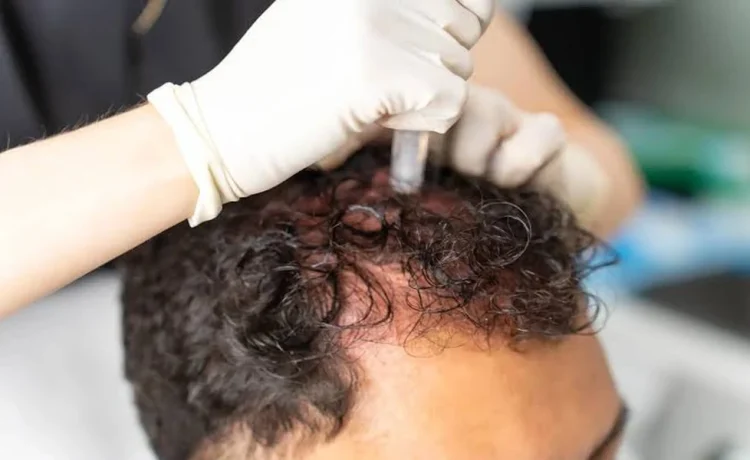
You part your hair in the usual way, but something looks different. The line seems wider than before, or your scalp is easier to see near the crown. Perhaps your hair tie needs one less twist because your ponytail feels smaller. These little changes can raise questions, especially when you cannot identify a clear reason for them.
Hair does not stay the same throughout life. Its thickness, growth pattern, and daily shedding can shift with age, health, hormones, and personal habits. Instead of reacting to every loose strand, it helps to understand what your scalp might be telling you and which everyday choices deserve attention.
Key Takeaways
- Hair volume can change gradually, even when there is no sudden increase in daily shedding.
- Changes in health, hormones, stress, and nutrition can influence the hair growth cycle.
- Scalp care should focus on comfort, cleanliness, and reducing avoidable damage.
- Frequent pulling, harsh styling, and excessive heat can make fragile hair look thinner.
- A balanced diet and regular sleep support general health, including normal hair function.
- Sudden, patchy, or persistent hair loss deserves professional attention.
Start by Noticing the Pattern
Before changing your entire hair care routine, pay attention to where and when you notice the difference. Is the hairline changing, is the parting becoming wider, or does the hair seem less dense all over? These details can offer useful clues.
Some people experience temporary shedding after a period of physical or emotional strain. A high fever, major illness, surgery, childbirth, or prolonged stress can affect the hair cycle. The extra shedding may not become obvious until several weeks or months after the event.
For others, thinning develops slowly and follows a family pattern. Hormonal changes and certain medical conditions can also influence hair density. During this period, Celluma Red Light Therapy can be explored as a light-based addition to a wider scalp wellness routine. It should be viewed as a supportive option rather than a replacement for identifying the cause of hair thinning or seeking appropriate care.
Your Scalp Has Its Own Care Needs
Hair products often receive more attention than the skin beneath them. Yet the scalp is where hair grows, so its comfort and condition deserve equal consideration.
A scalp that feels oily by the end of the day may need a different washing schedule from one that feels dry or tight. There is no single routine that works for everyone. The aim is to remove excess oil, sweat, and product residue without leaving the skin irritated.
Choose a shampoo based on your scalp’s needs rather than buying products simply because they promise thicker-looking hair. If you use styling products regularly, occasional thorough cleansing can help prevent buildup. Conditioner can make strands easier to manage and reduce friction during brushing.
Avoid scratching with your nails, even when the scalp feels itchy. If irritation, flaking, or discomfort continues, a dermatologist can help determine whether a skin condition needs treatment.
Small Styling Choices Can Protect Fragile Strands
A thinning appearance does not always come from hair falling out at the root. Breakage can also reduce visible length and fullness. Repeated tension, rough handling, and high heat can weaken the hair shaft over time.
Consider changing a few habits:
- Give tight ponytails, buns, and braids a break.
- Use a wide-tooth comb when detangling damp hair.
- Avoid pulling through knots or brushing aggressively.
- Reduce the frequency of straightening, curling, and blow-drying.
- Let hair dry naturally when practical.
- Be gentle when using towels, clips, and hair accessories.
These steps cannot prevent every form of hair loss, but they can reduce avoidable physical damage.
Where Light-Based Care Fits In
Red light therapy has attracted interest as a possible option for certain types of hair thinning. Some studies have examined low-level light devices for their potential to support hair growth. However, the evidence and results vary, and the approach is not suitable for every cause of hair loss. Anyone considering a device should first understand their type of hair loss and discuss suitable options with a qualified professional.
Look Beyond Hair Products
Hair health is also connected to the body’s wider nutritional needs. Restrictive eating, low protein intake, and certain nutrient deficiencies can affect normal hair growth. A varied diet that includes protein, vegetables, whole grains, nuts, and other nutrient-rich foods supports general health.
It is also worth reviewing recent lifestyle changes. Have you been sleeping poorly, eating less than usual, or dealing with ongoing stress? These factors do not explain every case of thinning, but they can form part of the picture.
Avoid starting several supplements without advice. Excess amounts of certain nutrients can cause problems, and supplements are most useful when they address a confirmed need.
When a Change Needs Expert Attention
A gradual change in hair volume may be difficult to judge at first. However, sudden shedding, clearly defined bald patches, or hair loss accompanied by scalp pain, redness, scaling, or itching should not be ignored.
A dermatologist can examine the scalp, review your health history, and suggest tests when needed. Finding the underlying reason is more useful than trying product after product without a clear plan.
Give Your Hair Routine Time
Caring for a thinning scalp is not about finding one product that solves everything. It is about understanding the pattern, reducing damage, supporting general health, and getting advice when changes persist. Hair growth takes time, so avoid judging a routine after only a few days. Consistent care and a clearer understanding of the cause provide a more sensible starting point for managing changes in hair density.