

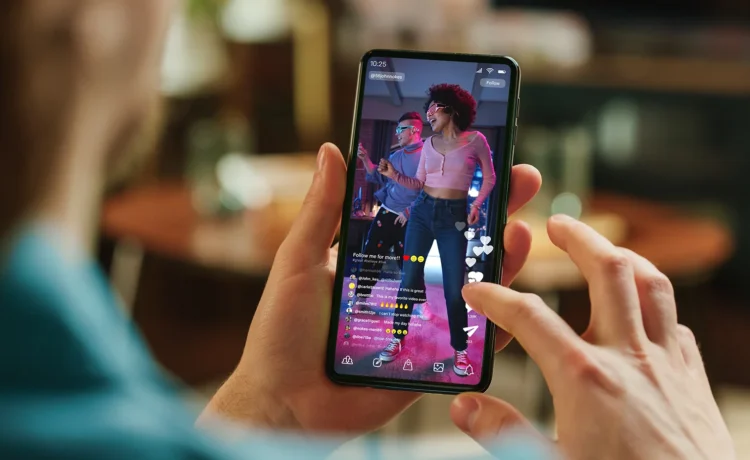
A few years ago, short-form video felt like something brands could wait and see on. TikTok was where teenagers danced, Instagram Reels seemed like a novelty, and many marketing teams decided to hold off until the format proved itself. That wait-and-see period is now well and truly over. Short-form video has become the dominant content format across virtually every major social platform, and the brands that have not yet built a credible video presence are increasingly at a disadvantage.
The shift has been dramatic and swift. Platforms that once prioritised static images and text have restructured their algorithms to favour video, and audiences have responded accordingly. Scroll behaviour has changed. Attention is increasingly won or lost in the first two seconds of a piece of content, and nothing captures and holds attention quite as effectively as well-made short-form video.
The scale of the shift
The data behind this trend is striking. According to Wyzowl’s annual video marketing statistics report, 91% of businesses now use video as a marketing tool, and the vast majority of marketers who use it say they would not consider giving it up. More tellingly, 82% of people say they have been convinced to buy a product or service after watching a brand’s video. The format is not just popular. It converts.
Short-form video works for several reasons. It is consumable without commitment, it communicates personality and authenticity in a way that static content rarely achieves, and it is remarkably versatile. A single day of filming can yield weeks of content: tutorials, behind-the-scenes footage, customer testimonials, product demonstrations, or quick commentary on industry news. The raw material requirement is lower than most businesses assume.
The production challenge is often overstated
Many businesses have delayed investing in video content because they believe production costs are prohibitive. This was a reasonable concern five years ago. It is much less so today. Audiences on platforms like TikTok and Instagram have demonstrated repeatedly that high production values are not required for content to perform well. Authenticity, clarity, and pace matter far more than expensive lighting or professional editing. A confident spokesperson and a decent smartphone is a credible starting point for most businesses.
The more significant challenge for many organisations is not production but strategy and consistency. Creating video content requires planning, scripting, scheduling, and ongoing performance analysis, all of which are time-intensive. For teams without in-house expertise, working with a specialist in social media management from a company like 99social can provide both the strategic framework and the executional support needed to make video a sustainable part of the content mix.
Starting well rather than starting perfectly
The biggest mistake a business can make with short-form video is continuing to wait for the perfect moment to begin. The platforms are currently rewarding new creators who publish consistently, and that window of opportunity will not remain open indefinitely. The brands building video habits now are developing an audience and an institutional knowledge base that will compound in value over time.
Short-form video is not a trend that marketers can afford to watch from the sidelines. It is the present reality of social media, and increasingly the baseline expectation of audiences across almost every sector. Brands that embrace it thoughtfully and consistently will find it one of the most powerful tools in their digital marketing toolkit.